

For Brother Joe Hoover, SJ, actor, playwright, and founder of Xavier Theatre and Film, success is “in the doing.” “Success is to just fully, constantly be engaged in it,” he says. “I want plays that are making an impact and all that…but having said that, it’s a way of life.”
Hoover became active in theatre in his mid-20s, pursuing writing and acting via informal workshops and studio classes. He wrote a lot and had some of his plays produced.
His religious vocation was flowering at the same time and Hoover joined the Jesuits, with whom he is a brother. “Jesuits are multi-hyphenates,” he says. “You can be a writer, a performer, an artist, and a Jesuit.”
Dealing with contemporary concerns from a Catholic perspective is a hallmark of Hoover’s work. For example, one of his plays, Liturgy, is a one-man show about the experience at Mass of a married man who also frequents sex workers.
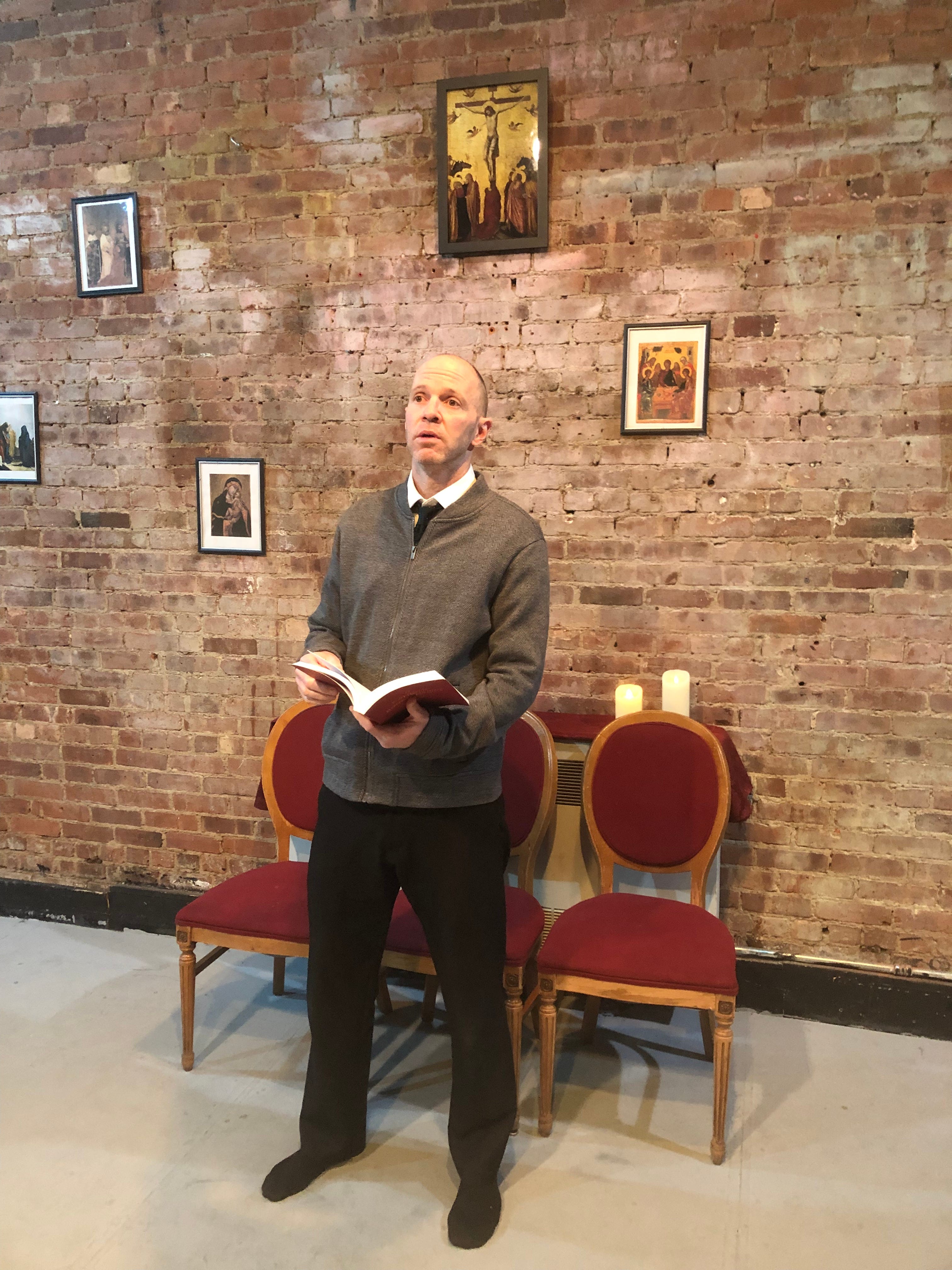
“It’s not a celebration of those things, obviously, but it’s engaging these issues in a moral framework,” Brother Joe explains.
Whether to fashion theatre strictly for those actively practicing their faith or to appeal to a wider audience is something all Catholic and Christian artists must ponder.
Hoover points to The Chosen, as an example of supporting the faithful base while also speaking to those without an explicit religious commitment. “Thirty percent of their audience is non-Christians. That’s their big thing is that they want to just put on a great TV show and be open to anyone.”
Hoover has similar hopes for a film he’s just completed, titled The Allegory. The film’s protagonist, a theatre director who is romancing a committed young Catholic woman, wants to put on a religious play to appeal to her. However, the producer won’t finance a religious play. Complications ensue as the protagonist attempts to put on a play about Jesus without mentioning Jesus.
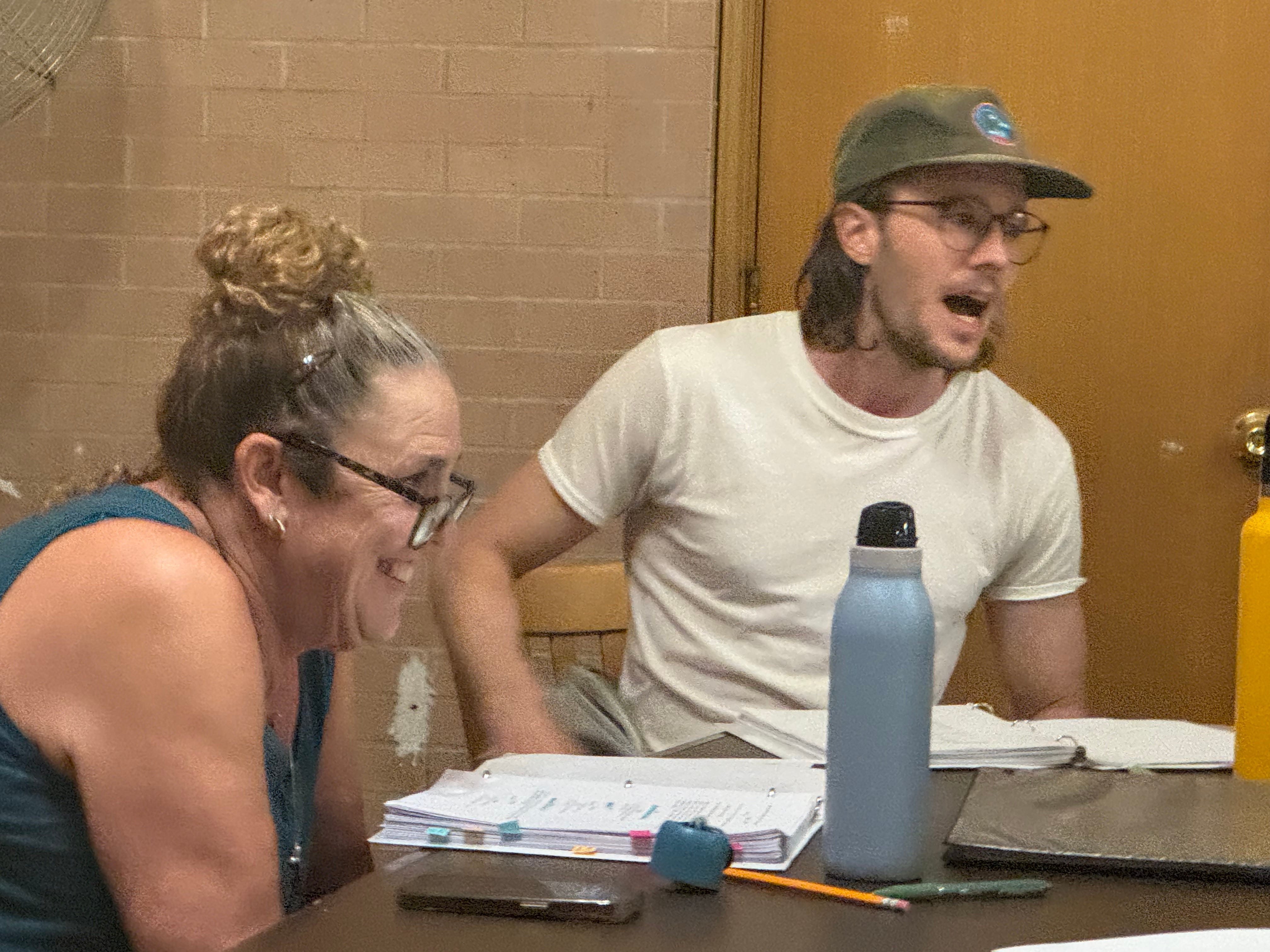
“It’s a romantic comedy that is going to be attractive to anyone, regardless of Christian background or belief,” Brother Joe says. “But it deals with faith and church and vocation.”
The film attracted some notable professional actors, including Marcia DeBonis, Raye Levine Spielberg, and Richard Kind. The first step in the film process, as all of Brother Joe’s efforts, is prayer. A mentor advised him that, “We’re not in the results business. You pray, and then what comes, comes, and if God wants you to do this, it’ll happen. If it doesn’t happen, God had another plan.”
Given this understanding, Brother Joe views his job as “getting out of the way.” He accepts disappointments or frustrations as “the way it’s meant to be.” “That’s a much healthier way to approach it,” he says. “Otherwise, it’s constant frustration.”
In the case of The Allegory, Brother Joe was gratified with the fortuitous coincidental availability of an actor and a film location. “With the timing of one of our lead actors and the theater’s availability, God was part of it. There’s just no two ways about it, it’s just so clear.”

Brother Joe adds that he believes prayer makes him a better creative partner. “When I pray, I’m more soft or I’m more easy to work with. I’m more personally docile and lighter and more accepting.”
In accordance with “not being in the results business,” Brother Joe has down-to-earth expectations for his own work. “To be creating new work, to be putting things out there, just to be a simple worker among workers, just another working artist is enough for me.
Yet, he recognizes the importance of the vocation of the Catholic artist. “We are the Church of Dante and Michelangelo and Raphael and, Martin Scorsese too, you know, so we need to reclaim that,” he maintains.
For More Information on The Allegory, check out:
Xaviertheatre.org
this news story:
Curtain Call Q & A
What are your thoughts about this post?
· Have you ever pursued a creative project without knowing whether it would succeed? What kept you going?
· What does it mean to be “not in the results business”? Is that perspective liberating or challenging for you?
· How does prayer influence your work, creativity, or decision-making?