

Combine movement and color, throw in some saints and fairies and what do you get? A Catholic vision that’s kept Ruth Pe Palileo, playwright and director, active in theatre for over two decades.
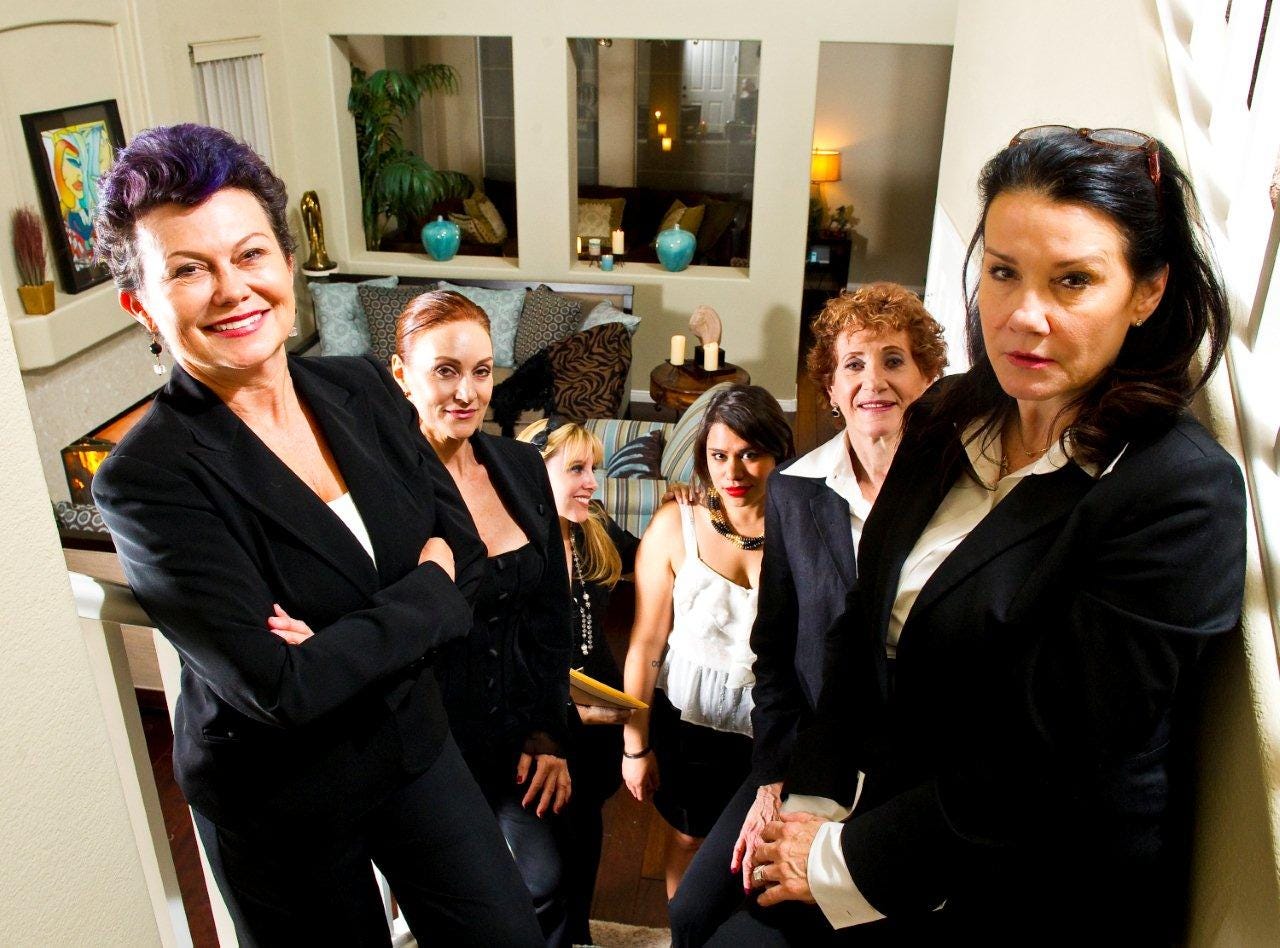
Pe Palileo, who has a PhD in Performance, Theatre History from Trinity College Dublin, has written plays such as Sons of Columbus, about the ministry of Blessed Father Michael McGivney (founder of the Knights of Columbus) to a young man on death row, and directed secular productions such as Eugene Ionesco’s The Chairs and an all-female version of David Mamet’s Glengarry Glen Ross. The latter was praised by Vegas Seven magazine for Palileo’s “playful visual enhancements.”
When she directed The Chairs in Las Vegas in 2009, she emphasized bold colors, lighting and physicality. One reviewer characterized the production as achieving “a Chaplin-like balance of crazed, superhuman farce and introspective poignancy.”
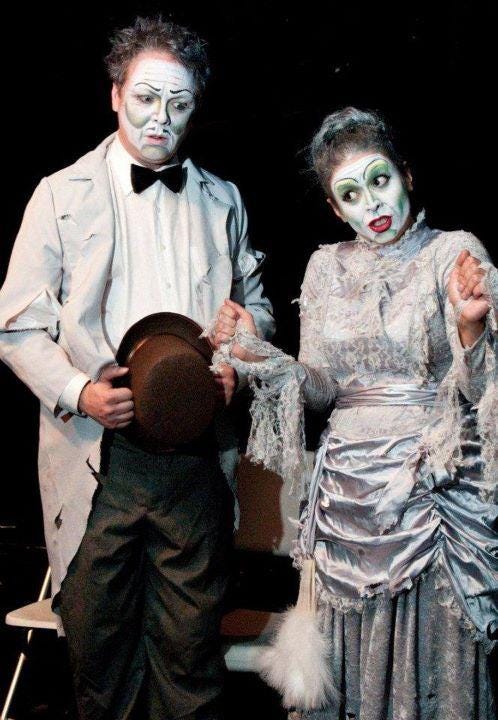
“God is the best director,” Pe Palileo reflects. “He set my eyes for this kind of lighting and the playfulness of light and shadow.”
For Pe Palileo, the embodied nature of theatre is a reflection and extension of the Mass. “The closer I got to Our Lord and falling in love with the Mass, I see there’s the world, a person, a body who speaks the Word and all of the movement of the Mass. In theatre you have a script, performers, what’s spoken and the actions.”
This makes theatre a bridge between worship and ordinary life. Pe Palileo looks for a core truth that drives choices in a way that reflects Catholic truth. This might involve saints or Bible stories, but it could just as well be an informing metaphor in the work.
Pe Palileo’s own play, Paerie Tale, illustrates her approach. The work grew out of Pe Palileo’s Filipino heritage and a conversation she had with an Irish woman in which they discovered the contrasting behaviors that the Irish and Filipino cultures attribute to fairies.
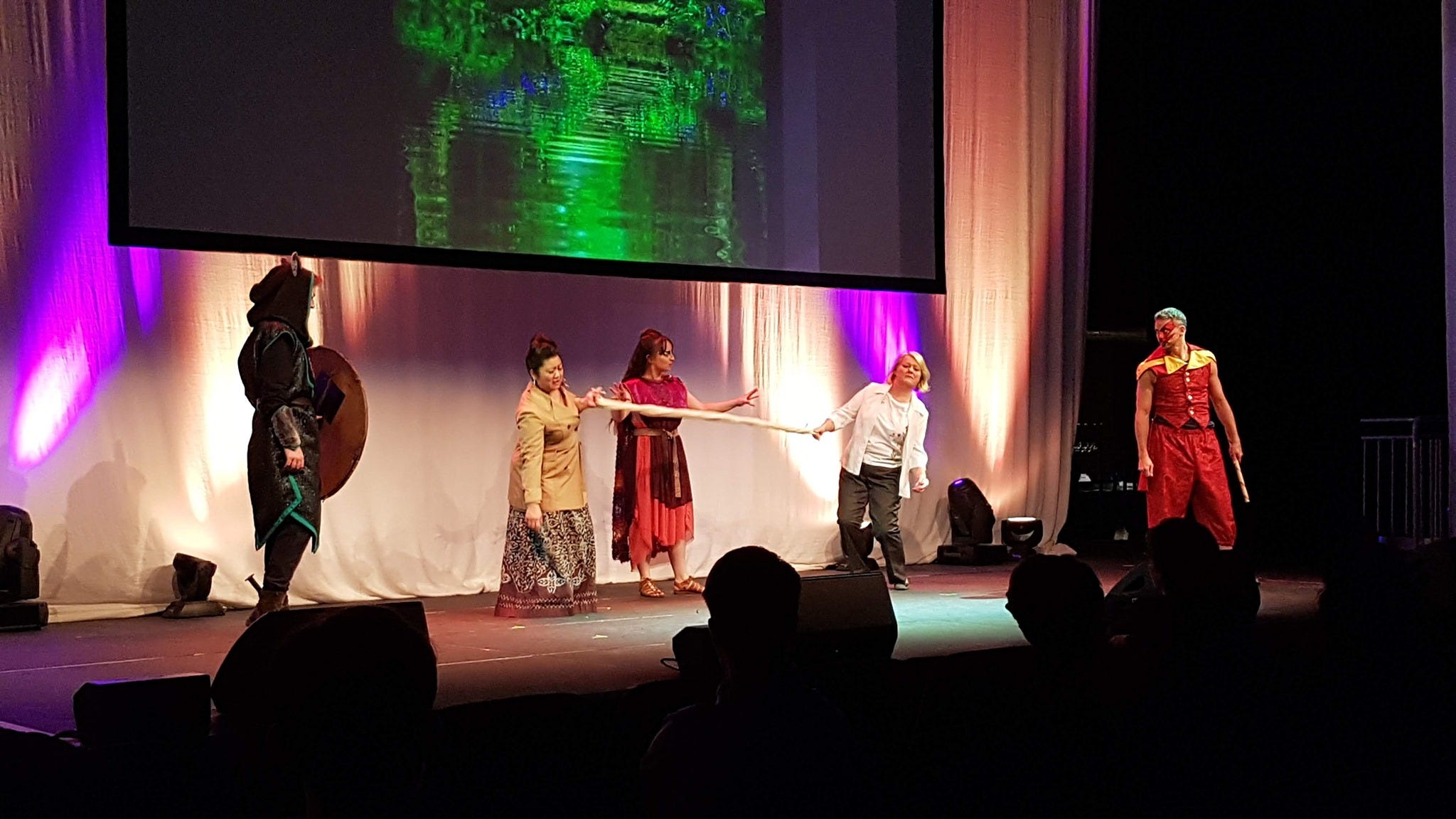
In Paerie Tale, a family must battle fairies from both Irish and Filipino cultures, to get a stolen baby returned. The play culminates in one of the fairies choosing to become human. This transformation is accomplished when the grandmother baptizes the fairy.
“He becomes mortal. It’s like salvation history,” Pe Palileo explains. “Calvary happens and then everything unfolds from it. A Catholic moment happens in a play and that radiates out. I like Catholic takes where it is so embedded that you can’t take it apart from the story,” she concludes.
Live theatre in general is currently at a disadvantage as Pe Palileo recognizes. Contemporary technology has shaped audience’s expectations, one might even say misshaped them. We have all kinds of entertainment at our fingertips, and we don’t have to set foot outside our doors to be distracted. “It used to be a traveling theatre company rolled into town, would ring the bell, and the whole town would come out,” Pe Palileo says.
While it can be an enhancement, technology tends to emphasize spectacle over a more well-rounded human experience. Cirque de Soleil, for example, is impressive and captivating, for sure. But it isn’t focused on the dilemmas and motivations of the human experience.
All of this runs counter to what Pe Palileo values in live theatre. She appreciates stage tricks and the trappings of technical design. “But the play is the play is the play,” she says. “In the beginning was the Word and when it comes to a play, it should feel magical with no tricks because the script is so good.”
Pe Palileo’s faith and philosophy of theatre made for a natural alignment with the Benedict XVI Institute’s project of a new Renaissance of Catholics in the arts. In addition to Sons of Columbus, which the Benedict XVI Institute commissioned, she has collaborated with Greta Gwyzana, featured on Onstage Catholic, in producing With Love to Orvieto, St. Thomas Aquinas and the Feast of Corpus Christi. The two are pursuing additional venues for presenting the work.
Despite challenges, Pe Palileo is more convinced than ever of the value of theatre. “Theatre has a sacredness to it. That’s why I keep going back to it. People who are completely atheist, agnostic, or Muslim, or Buddhist all have a sense of theatre as a sacred space,” she concludes.
Curtain Call Q & A
What are your thoughts about this post?
What qualities of live theatre might create the sense of sacred space?
Pe Palileo compares the structure of the Mass to theatre. How does this deepen our understanding of performance as an embodied art form?
What are the advantages and risks of Catholic truth being “so embedded that you can’t take it apart from the story” as compared to more overtly religious storytelling?
Other thoughts?