

Reynaldo Piniella is living a life of contrasts. Son of a Puerto Rican-Cuban Catholic father and an African American Baptist mother, he was raised in a traditional Catholic home while also living a New York City kid’s street life.
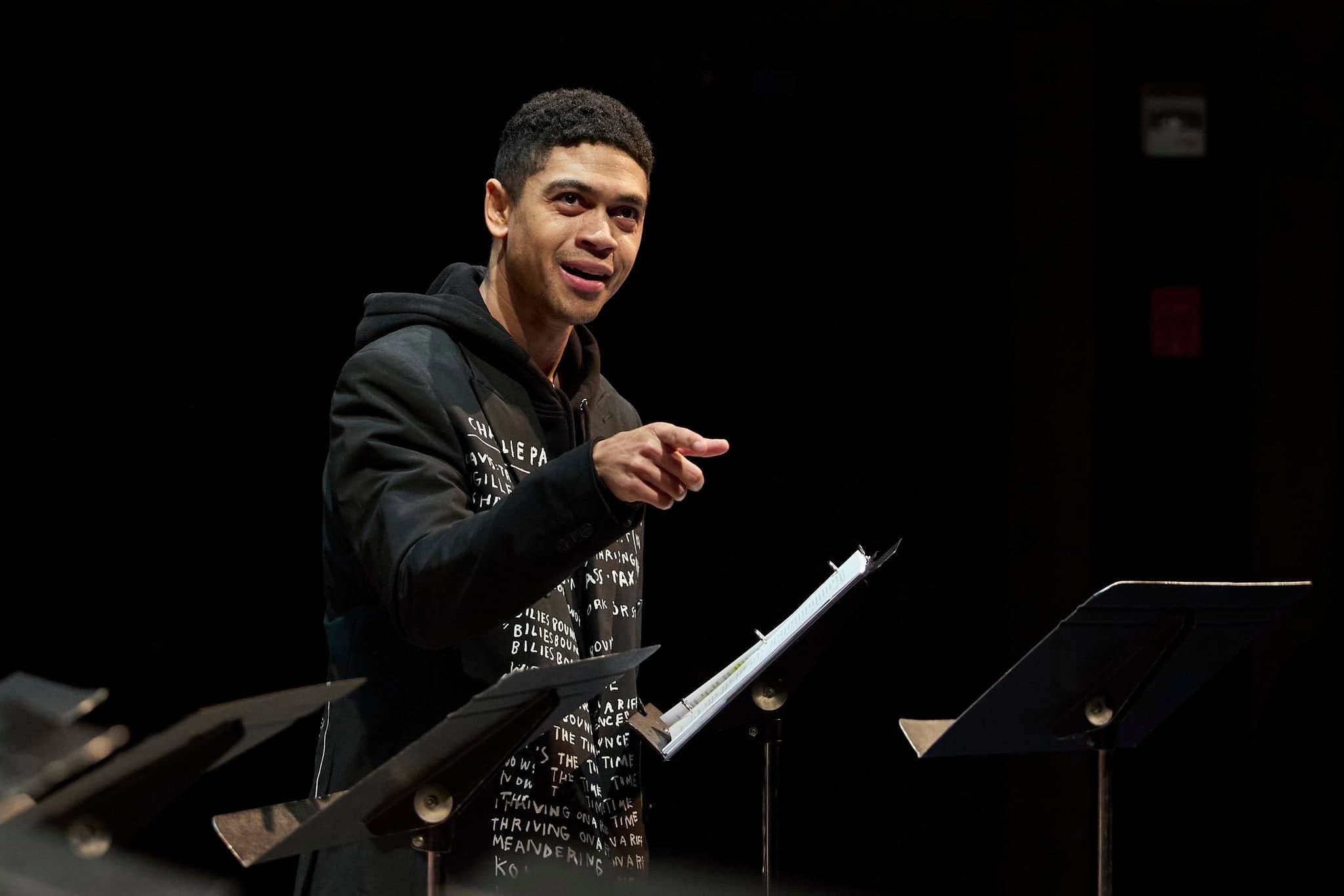
More cultural contrasts were in store when he discovered theatre as an adolescent. Cast as the Stage Manager in a high school production of Our Town, Piniella recalls that a play about small town (white) America was the furthest from his life experience.
And then he witnessed what art can do. “I remember seeing my teachers cry in the audience,” he says. “These were people I looked at as authority figures. Some of them I did not love.”
But Piniella saw their humanity. “In that moment, I thought, ‘this is what I want to do with my life.”
Seeing—and showing—the humanity of others animates Piniella’s artistic efforts. “In my work as an artist, I’m always asking, ‘why now?’ Why am I writing, why am I producing, what about this moment?’” he reflects. “My faith helps me to answer that. The humanity of people at this moment and the ways I can use art to heal and restore. Those seeds of purpose have been planted by religion.”
In pursuit of his vocation, Piniella has been a resident artist at several theatres, received playwriting commissions, and racked up stage, TV, and film credits, including a recurring guest role on Amazon’s smash hit, Sneaky Pete.
Piniella’s play, Sons of an Unknown Father, currently a semi-finalist in the prestigious O’Neill National Playwrights Conference, tells the story of a saint he strongly relates to: St. Martin de Porres. Growing up in Lima, Peru, in the 16th – 17th centuries when slavery was still practiced, St. Martin’s father was a Spanish nobleman, his mother was a freed Black slave.
“Us both being Afro-Latino men, growing up without biological fathers around, lower class economics, both at times feeling deeply connected to others and at other times struggling with that,” he says of the connection.
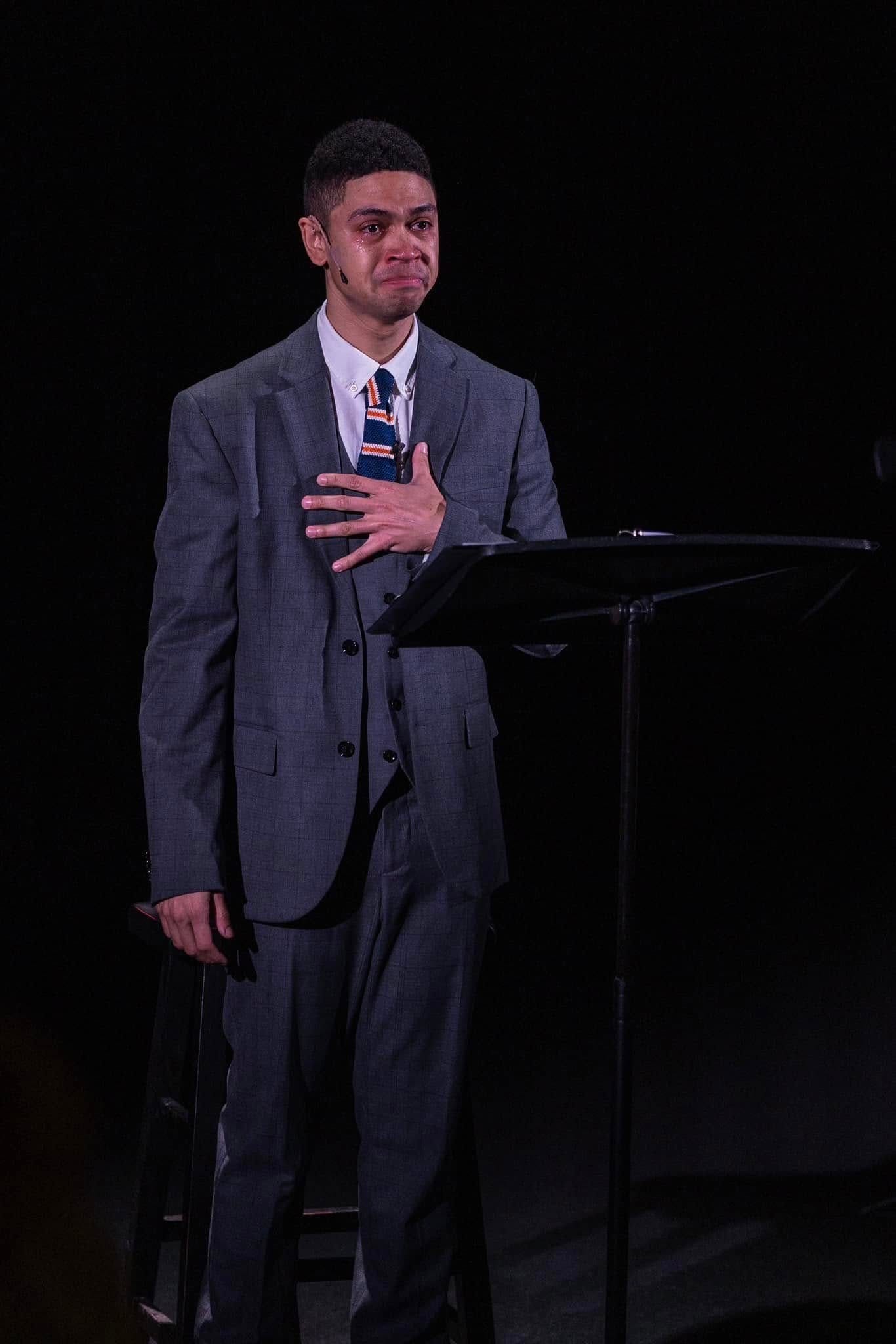
St. Martin De Porres has been a model and inspiration to Piniello in grappling with both honoring a legacy and recognizing its harm. “He was the son of a slave. Despite all the hardships, he prioritized his community to the end. Despite everything he had to complain about, he still fought for what he knew was right.”
Piniello appreciated that St. Martin had to figure life out as he went. “He did not have all the answers. He made mistakes, was disappointed, all the emotions I’m feeling,” Piniella observes.
He especially related to St. Martin’s experience of fatherlessness. “The last day I saw my father living was Christmas, 2025,” he says. “In my play, I was grappling with what it meant to be a son in a world in which I don’t have a father guiding me.”
The play had a roundabout genesis. A friend found a statue of St. Martin de Porres at a yard sale and brought it to Piniella. “It was a divine moment,” he says. “I was questioning a lot of who I was in the world, legacies, how I’ve been supported by and left behind by faith.”
Sons of an Unknown Father has been through considerable development. An early draft had a staged reading with Xavier Theatre. That process has been a learning experience for Piniella, beginning with hard-headed production realities. “Some of that is related to the business of theatre,” he explains.
He imagined a large cast that would represent different races and skin tones. His vision evolved to considering what the play was about at its core. He asked who the key people were that were truly necessary to the story.
That move, driven by necessity, had an artistic payoff. “We whittled it down to four actors and it allows for magic,” Piniella says. “People are playing multiple roles, speaking multiple languages, like we play multiple roles in life.”
He continues performing, but Piniella has found a unique satisfaction in teaching. He’s taught at The Lee Strasbourg Theatre & Film Institute and Rikers Island Correctional facility.
Working with students from a variety of backgrounds reminds him of the human impact that has been at the heart of his vocation from the start. “Students from immigrant backgrounds, people who are hungry, can’t afford to pay their bills, just reminding them that art has been a refuge, a source of empowerment for a millenium.”
It’s a welcome change from what can be a very ego-driven field. “It’s ‘I got the role, I got the award,’” Piniella laughs.
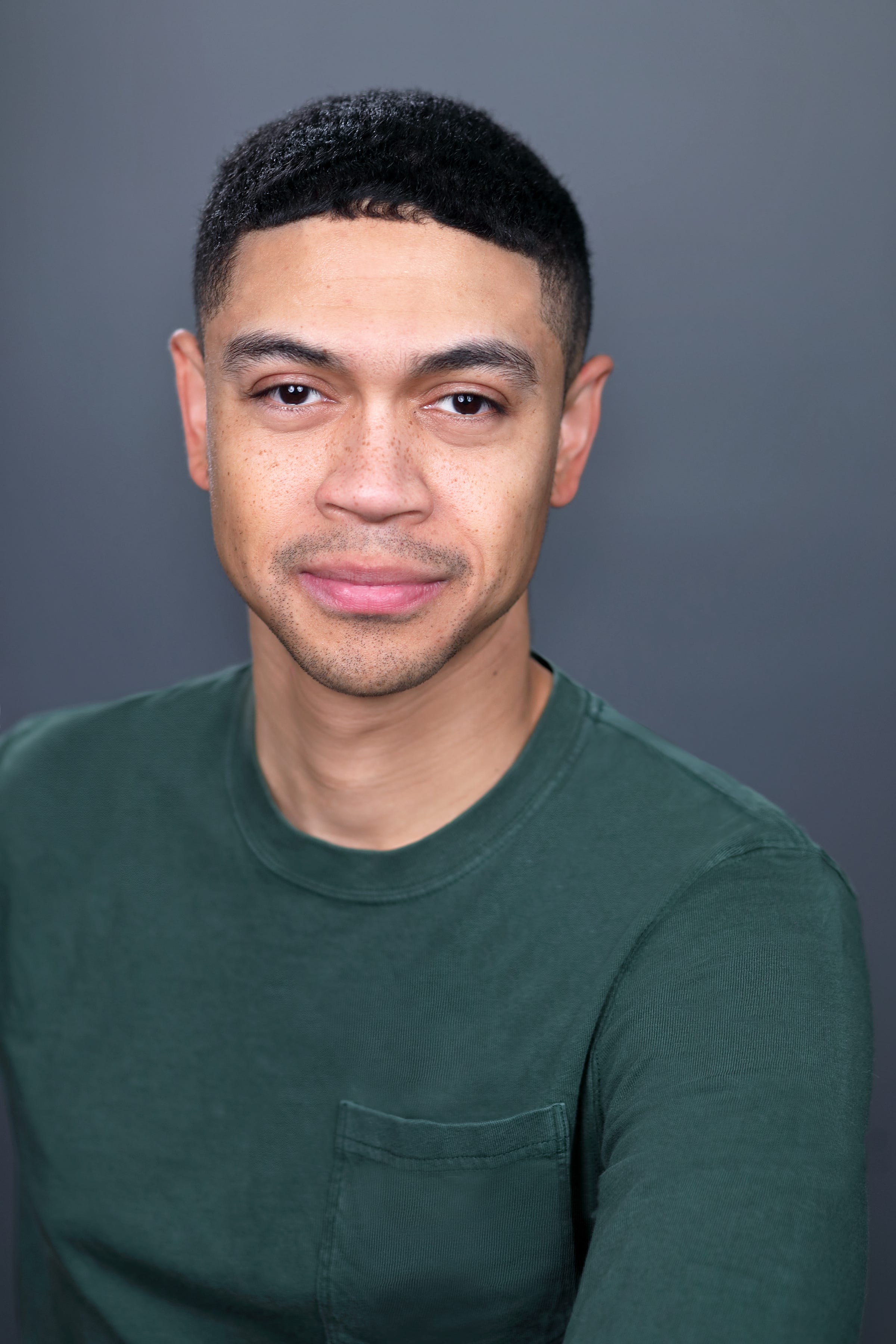
What’s consistent is the positive impact of art, whether his own or in helping others realize their artistic gifts. “There’s something about unlocking creativity and joy and transformation of others that makes me feel so fulfilled as a person.”
Curtain Call Q & A
What are your thoughts about this post?
Piniella says he is always asking, ‘Why now?’ about every artistic project. How might that question change the way we approach our own work or creative pursuits?
Have you ever encountered a work of art that initially seemed far removed from your own experience but ultimately resonated deeply?
Why is creativity particularly important for people facing hardship, isolation, or marginalization?